
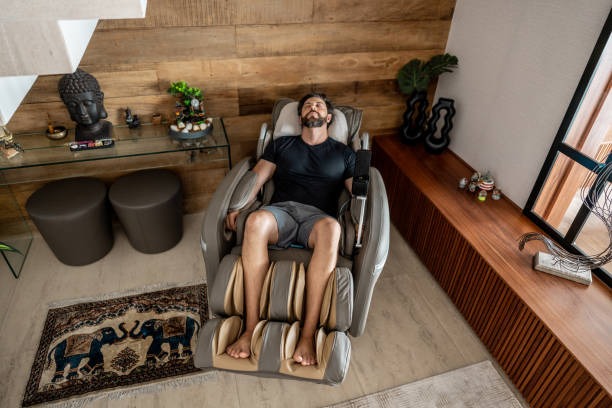
In today’s fast-paced world, anxiety has become a common concern for many individuals. People are constantly searching for effective ways to manage their stress and anxiety levels, often turning to various therapies and relaxation techniques. One such method that has gained popularity is the use of massage chairs. But do massage chairs truly help with anxiety? The answer lies in understanding how these devices work and their potential impact on mental well-being.
Massage chairs are designed to mimic the techniques used by professional massage therapists, offering a variety of massages such as kneading, rolling, tapping, and shiatsu. These actions aim to relax muscles, improve blood circulation, and release tension in the body. Since physical tension often accompanies anxiety symptoms like muscle tightness or headaches, relieving this tension can indirectly reduce feelings of anxiousness.
When a person experiences anxiety, their body undergoes physiological changes including increased heart rate and muscle stiffness due to heightened stress hormones like cortisol. Massage therapy has been shown to lower cortisol levels while increasing serotonin and dopamine-neurotransmitters associated with mood regulation and relaxation. Although massage chairs cannot replicate every nuance of human touch or adapt dynamically during a session like an expert therapist might, they provide consistent pressure that can stimulate similar biochemical responses in the body.
Additionally, using a massage chair reviews encourages moments of mindfulness-a state where one focuses on the present moment without judgment. Sitting quietly while receiving a massage allows users to disconnect from stressful thoughts temporarily. This break from mental strain helps calm the nervous system by activating the parasympathetic branch responsible for rest-and-digest functions rather than fight-or-flight reactions linked with anxiety.
It is important to note that while massage chairs offer benefits related to relaxation and temporary relief from physical symptoms associated with anxiety, they should not be considered standalone treatments for clinical anxiety disorders. Professional counseling or medical intervention may be necessary depending on severity. However, incorporating regular sessions using a massage chair as part of an overall self-care routine can enhance emotional resilience over time.
In conclusion, massage chairs do have potential advantages when it comes to managing mild-to-moderate anxiety by promoting relaxation through physical comfort and neurochemical balance. They serve as convenient tools that facilitate stress reduction at home or office settings without requiring appointments or travel time involved in traditional massages. For those seeking accessible methods to alleviate everyday anxious feelings alongside other healthy lifestyle practices such as exercise or meditation, investing in a quality massage chair could prove beneficial both physically and mentally over time.